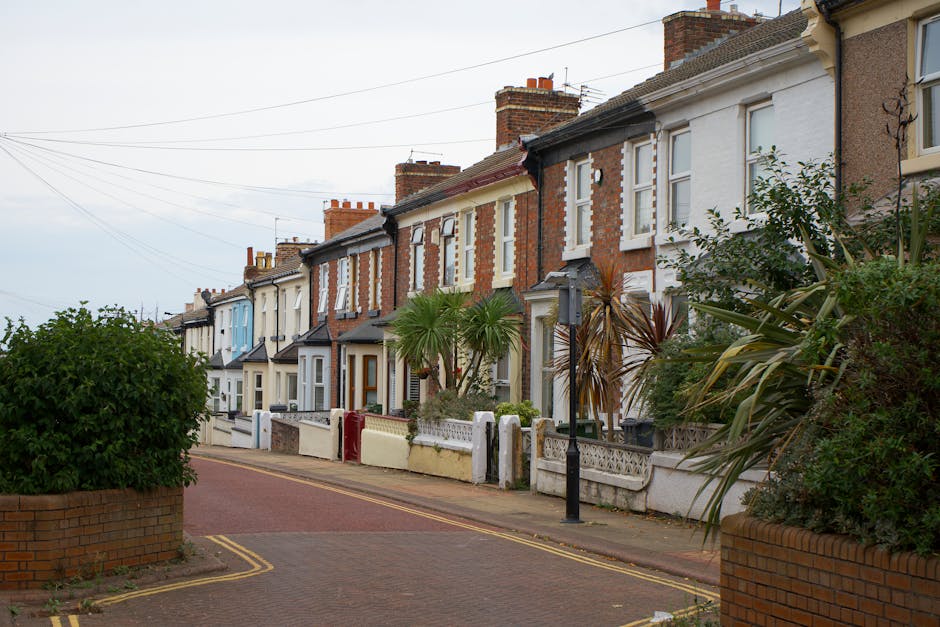
Affordable gardeners for terrace homes in N1 Islington
If you live in a terrace home in N1 Islington, you already know the garden can be a blessing and a headache at the same time. Maybe it is a compact front patch that gets battered by street dust, or a narrow rear space that only seems to get used when the sun appears for five minutes in June. Either way, affordable gardeners for terrace homes in N1 Islington can make a real difference without turning regular upkeep into a luxury spend.
The trick is not simply finding the cheapest help. It is finding the right balance of cost, consistency, and practical know-how for a London terrace garden that may be small, awkwardly shaped, shaded by neighbours, or tucked behind steps and side returns. In this guide, we'll look at what affordable garden care actually means, how it works, what to expect, and how to choose a service that feels sensible rather than flashy. A bit of common sense goes a long way here, to be fair.
We'll also cover useful local considerations, a clear step-by-step approach, and a realistic checklist so you can decide whether you need a one-off tidy, seasonal maintenance, or regular support. If you want to learn more about the company behind the service, you can also visit the about us page or explore their approach to pricing and quotes.
Table of Contents
- Why Affordable gardeners for terrace homes in N1 Islington Matters
- How Affordable gardeners for terrace homes in N1 Islington Works
- Key Benefits and Practical Advantages
- Who This Is For and When It Makes Sense
- Step-by-Step Guidance
- Expert Tips for Better Results
- Common Mistakes to Avoid
- Tools, Resources and Recommendations
- Law, Compliance, Standards, or Best Practice
- Options, Methods, or Comparison Table
- Case Study or Real-World Example
- Practical Checklist
- Conclusion
- Frequently Asked Questions
Why Affordable gardeners for terrace homes in N1 Islington Matters
Terrace gardens in N1 are often not the "big project" kind of spaces that need a landscape architect and a month of upheaval. They are more often the everyday gardens that quietly drift from manageable to overgrown. One rainy spell, a busy month, then suddenly the lavender is flopping over the path and the fence line looks like it has been left to its own devices.
That is why affordability matters. For a terrace home, garden maintenance needs to be realistic enough that you can keep it going across the year. If the service feels too expensive, people skip visits, and the garden slips. Then the next visit costs more because there is simply more to undo. A sensible gardener helps break that cycle.
There is also a local dimension. Terrace homes in Islington can face limited access, narrow entrances, shared boundaries, and neighbours close by on both sides. That usually means careful work, tidy waste handling, and a gardener who can move efficiently without making a mess of the whole place. You do not want four hours of wheelbarrow choreography for a two-hour tidy-up. Nobody needs that drama.
In practical terms, affordable garden care is about spending on the right jobs: pruning, cutting back, weeding, lawn care where relevant, hedge shaping, leaf clearance, planting support, and occasional reset work. It is not about over-servicing a small space with expensive extras you do not actually need.
Expert summary: For terrace homes in N1 Islington, affordable gardening works best when it is regular, proportionate to the size of the garden, and planned around the real condition of the space rather than a generic service menu.
How Affordable gardeners for terrace homes in N1 Islington Works
The process is usually straightforward, but good results depend on clear expectations. First, the gardener looks at the garden as it actually is: sun exposure, access, surface type, planting density, waste volume, and whether the space needs a tidy or a more structured maintenance plan. Small gardens can still be fiddly. Often more fiddly, honestly.
Then comes the scope. A sensible quote should make it clear what is included, such as weeding, trimming, mowing if a lawn exists, deadheading, border tidying, and green waste removal if offered. If you are comparing options, this is where you should slow down and read carefully. Cheap is only cheap if it includes what you need.
For terrace homes, the work is often best broken into regular short visits rather than one big, exhausting intervention. That keeps costs stable and the garden looking better for longer. In a typical maintenance rhythm, a gardener may focus on seasonal tasks in spring, a growth-control approach in summer, leaf and cutback work in autumn, and protection of more delicate planting through winter. The exact plan depends on the garden, of course.
Many homeowners also prefer services that explain how waste is handled and whether it is recycled responsibly. If that matters to you, it is worth reading the company's recycling and sustainability information. Small things, but they matter when you are trying to make a tidy home and a tidy choice.
Key Benefits and Practical Advantages
There are several very real benefits to using affordable gardeners for terrace homes, especially in a dense London area where time is short and outside space is precious.
- Consistent upkeep: Small gardens look best when they are maintained regularly, not rescued occasionally.
- Better value over time: Preventive care usually costs less than letting a garden spiral into a full clearance job.
- More usable space: A tidy terrace garden feels larger, calmer, and more inviting.
- Less stress: You do not have to spend your weekends knee-deep in brambles or arguing with a stubborn hedge.
- Local practicality: Terrace homes often need quick, neat work with minimal disruption to neighbours and access routes.
- Improved appearance: Front and rear gardens can lift the whole feel of the property, even if the planting is simple.
There is also a quality-of-life point that is easy to overlook. When a small garden is looked after properly, you are more likely to use it. A cup of tea outside after work, a child's planter kept neat, a herb bed that does not feel abandoned. Those little moments are the whole point, really.
And if you like knowing what you are paying for, a clear quote process helps. See the service's pricing and quotes page for a better sense of how work may be priced according to scope rather than guesswork.
Who This Is For and When It Makes Sense
This type of gardening service suits homeowners, landlords, and tenants in terrace properties who need regular but affordable help. It is especially useful if the garden is too small to justify larger-scale landscaping but too important to ignore altogether.
It also makes sense if:
- the garden has become overgrown after a busy period or a holiday
- you want a maintenance plan that fits a modest budget
- you are preparing a property for sale, rent, or routine inspection
- you struggle with access, heavy lifting, or frequent ladder work
- you simply prefer to spend your time enjoying the space rather than managing it
For older residents, time-poor families, or people working long shifts, affordable garden support can be the difference between "nice idea" and "actually usable". You may not need weekly service. You may just need a reliable tidy every few weeks and a seasonal reset. That is perfectly normal.
It is also a good option if you want a gentle introduction to professional garden care. Not everyone needs a full redesign. Sometimes a smart cut-back and a plan for maintenance is enough to change the feel of the whole place.
Step-by-Step Guidance
If you want to approach this in a sensible way, follow these steps.
- Assess the garden honestly. Look at what is actually there: beds, paving, pots, lawns, climbers, hedges, weeds, and access points.
- List the priority jobs. Decide what really needs doing now and what can wait until the next visit.
- Set a realistic budget. Pick a range that works over time, not just for one-off cleanup.
- Ask for a clear scope. Make sure the quote explains what is included, what is excluded, and whether waste removal is part of the price.
- Check how the work will be scheduled. Regular maintenance can often save more money than repeated emergency fixes.
- Confirm practical details. Think about access, parking, water supply if needed, and where tools or waste will be handled.
- Review the result after the first visit. A good gardener should leave the garden tidy, with clear communication on what was done.
A useful little habit: take a quick photo before the first appointment. Not because you expect a problem, but because it helps you measure progress properly. The before-and-after difference in a terrace garden can be surprisingly satisfying.
Expert Tips for Better Results
Over the years, one thing becomes obvious: the best-value gardening is usually the most boring-looking process from the outside. Regular, simple, and consistent. Nothing glamorous. But the garden stays under control, and that is what you want.
Here are a few practical tips that save money and improve outcomes:
- Choose regular maintenance over crisis cleanups. A monthly or seasonal visit often goes further than an occasional big rescue.
- Keep planting practical. In terrace gardens, low-maintenance shrubs, hardy perennials, and well-chosen containers are often easier to manage than high-maintenance displays.
- Match work to the season. Spring and early summer may need more growth management; autumn may be more about leaf clearance and cutback.
- Be realistic about lawn care. Tiny lawns can be more trouble than they are worth if they are heavily shaded or patchy.
- Ask for tidy edges. In a small space, sharp edges and clean borders do a lot of visual heavy lifting.
- Talk about sustainability. If you want green waste handled responsibly, discuss it upfront rather than at the end when everyone is already knackered.
One more thing: a good gardener will not pretend every terrace garden needs the same solution. If they do, that is a bit of a red flag. A narrow shaded yard in N1 is not the same as a sunny suburban lawn, and the work should reflect that.
Common Mistakes to Avoid
People often make the same few mistakes when searching for affordable gardening help. They are understandable mistakes, but avoidable ones.
- Choosing only on price. The cheapest quote can become expensive if it excludes waste removal, pruning, or essential tidy work.
- Not clarifying access. Terrace homes can have awkward entry points, shared paths, or limited parking. If the gardener arrives expecting a straightforward job and finds a maze of steps and side gates, time gets lost.
- Ignoring the garden's real condition. A neglected garden needs a reset before it can be maintained cheaply.
- Booking one-off visits too far apart. That often creates a cycle of overgrowth and expensive catch-up work.
- Failing to mention safety issues. Broken paving, unstable fencing, hidden trip hazards, or poor lighting should be flagged before work begins.
There is also a softer mistake: expecting the garden to become something it is not. A small terrace garden will not behave like a country plot. It can still be lovely. Just differently lovely.
Tools, Resources and Recommendations
For homeowners who like to stay involved, a few basic tools and habits make life easier between visits. You do not need a shed full of equipment. In fact, clutter is often the enemy in terrace gardens.
Useful basics include:
- a hand trowel and weeding fork
- light pruning shears
- a small rake or leaf grabber
- a watering can or hose arrangement that suits the garden layout
- gloves and a simple storage box for twine, labels, and plant supports
As for professional support, look for a gardener who is clear, responsive, and practical. Good communication matters more than fancy language. You want someone who can explain whether your garden needs cutting back, reshaping, weed control, or a staged maintenance plan.
If you are comparing service providers, these pages may help you assess the wider business picture: insurance and safety information, health and safety policy, and contact details for making an enquiry. It is not exciting reading, granted, but it tells you a lot about how a company works.
Law, Compliance, Standards, or Best Practice
For a domestic terrace garden, the legal side is usually less complicated than people fear, but there are still sensible standards to keep in mind. Contractors working on your property should use safe practices, take reasonable care with equipment, and avoid creating hazards for you, your neighbours, or passers-by. That is basic professionalism, not special treatment.
If waste is being removed, it should be managed in a responsible way. You do not need to overcomplicate this, but you do want to know whether green waste is being taken away, composted, or otherwise handled appropriately. Good providers will be happy to explain this plainly.
Insurance is another practical point. For peace of mind, it is sensible to confirm that the service provider has appropriate cover for the type of work they carry out. That is especially useful where there are shared spaces, tools, steps, or fragile planting close to access routes. You can read more on the company's insurance and safety page.
Best practice also means respect for neighbours. In terrace rows, noise, access, and debris control matter. A considerate gardener works neatly, keeps disruption low, and leaves no mess drifting along the pavement like an accidental leaf parade.
If you want the service terms in advance, the terms and conditions page is worth a look, and the privacy policy can help you understand how personal details are handled.
Options, Methods, or Comparison Table
For terrace homes in N1 Islington, the main choice is usually between a one-off tidy, seasonal maintenance, and regular ongoing visits. Each has a place.
| Option | Best for | Typical strengths | Possible drawback |
|---|---|---|---|
| One-off tidy-up | Overgrown gardens, move-ins, pre-sale prep | Fast reset, visible improvement | Can become costly if repeated often |
| Seasonal maintenance | Gardens that need a few focused visits a year | Good balance of cost and control | Requires some self-care between visits |
| Regular maintenance | Busy households and gardens that must stay neat | Most consistent look, easier budgeting | Higher ongoing commitment |
For many terrace homes, seasonal or regular maintenance is the sweet spot. One-off visits are useful, yes, but if the garden keeps reverting, you may end up paying more in the long run. A modest, repeatable plan usually wins. Not always. But often.
Case Study or Real-World Example
Imagine a narrow rear terrace garden in N1. It has a small paved area, two raised beds, a climbing plant on the back wall, and a few pots squeezed along the edges. Nothing dramatic. But after a busy winter and a wet start to spring, the weeds have moved in, the climber has gone a bit wild, and the bins are making access awkward.
A homeowner in that situation does not need a full redesign. They need a realistic tidy-up: clearing the beds, cutting back overgrowth, re-edging the border, reducing the climbing plant, and removing waste safely. After that, a light maintenance visit every few weeks keeps the space usable.
The result is not just a neater garden. It is a garden that feels easier to live with. The space gets air again. Light reaches the planting. The patio looks bigger. And because the work is modest and planned, it stays affordable. Truth be told, that is usually the winning formula in terrace properties.
That kind of job is also where a thoughtful local approach matters. A gardener who understands compact London gardens can work quickly without cutting corners, and can suggest improvements that are achievable rather than expensive fantasy.
Practical Checklist
Use this checklist before booking affordable garden help for a terrace home in N1 Islington.
- Have I identified the main jobs that need doing?
- Do I know whether I need one-off, seasonal, or regular support?
- Is the garden access clear and safe?
- Have I checked whether waste removal is included?
- Do I understand what the quote covers?
- Have I mentioned any awkward steps, shared paths, or potential hazards?
- Have I thought about maintenance after the first visit?
- Do I know how to contact the provider if I have questions?
- Have I considered whether sustainable waste handling matters to me?
- Am I comparing value, not just headline price?
That last one matters more than most people think. In small gardens, the difference between "cheap" and "good value" is often a very small detail, but the effect on the space is huge.
Conclusion
Affordable gardeners for terrace homes in N1 Islington are not about cutting corners. They are about making garden care practical, steady, and matched to the real scale of your space. In a terrace home, that usually means tidy work, clear communication, sensible pricing, and maintenance that prevents bigger problems later on.
Whether your garden needs a seasonal reset, a simple maintenance plan, or help getting back under control after a neglected spell, the best choice is the one that fits your home, budget, and pace of life. A small garden can still be a lovely one. Sometimes all it needs is a good, honest bit of care.
Get a free quote today and see how much you can save.
If you are ready to take the next step, reach out through the contact us page and ask for a quote based on your garden's actual condition. It is a simple move, but a useful one. And once the garden is back in shape, you will feel it every time you look outside, even on an ordinary Tuesday morning.
Frequently Asked Questions
What do affordable gardeners for terrace homes in N1 Islington usually include?
They often include weeding, pruning, cutting back, tidy-up work, light lawn care if needed, deadheading, and green waste removal where agreed. The exact scope should always be confirmed before the visit.
Are one-off garden tidy-ups cheaper than regular maintenance?
Not always in the long run. A one-off tidy may be affordable upfront, but if the garden keeps getting overgrown, repeated rescue jobs can cost more than a simple maintenance plan.
How often should a terrace garden in N1 be maintained?
It depends on planting, shade, and how much the garden is used. Many terrace homes do well with seasonal visits or monthly upkeep during the growing months.
What makes terrace gardens different from larger gardens?
They are usually more compact, more enclosed, and often more awkward to access. That means efficiency, neat waste handling, and careful planning matter a lot.
Can a gardener work in a small terrace garden without causing disruption?
Yes, a good gardener can work neatly and quietly with minimal disruption. In terrace rows, considerate handling of access, debris, and noise is especially important.
Do I need to clear the garden before the gardener arrives?
It helps to move small personal items, toys, and anything fragile. You do not need to pre-clean the garden, but a clear working area makes the job smoother and safer.
How do I know if a quote is fair?
A fair quote should explain what is included, how long the work is expected to take, and whether waste disposal is part of the price. If anything feels vague, ask for clarification.
Is waste removal usually included in affordable gardening services?
Sometimes yes, sometimes no. It should always be stated clearly. If you want waste taken away, make sure that is included before the work starts.
What should I ask before booking a gardener?
Ask about the scope of work, access needs, waste handling, timing, and whether the service is one-off or ongoing. If you want extra reassurance, you can also review their insurance and safety information.
Are affordable gardeners suitable for landlords and rental properties?
Yes. Regular, affordable garden care is often a smart choice for rental homes because it keeps outdoor areas presentable without unnecessary overspending.
What if my terrace garden is badly overgrown?
That is usually fine, but it may need a reset visit before it can be maintained affordably. Once the garden is brought back under control, regular upkeep becomes much easier.
How can I keep costs lower after the first visit?
Choose manageable planting, keep on top of minor weeding between visits, and agree on a realistic maintenance schedule. Small, regular attention is usually the best value.
Where can I learn more about the company's policies and approach?
You can read more on the company's about us page, along with the health and safety policy and recycling and sustainability information.
Small terrace gardens do not need grand promises. They need practical help, a sensible plan, and a bit of consistency. Get that right, and the space starts working for you again.