Gardeners in North London for practical garden care and tidy outdoor spaces

Gardeners North London provides a straightforward way to arrange garden maintenance, lawn care, hedge trimming and clearance work in the area. If you need regular upkeep or a one-off visit to get a garden back under control, our service pages set out the main options clearly. The focus is on sensible, usable work that keeps borders, lawns, paths and planted areas manageable rather than leaving tasks half done.
We support homeowners, landlords and property managers who want reliable outdoor maintenance without having to coordinate every small job separately. That can include mowing, trimming, light pruning, fence work, turf installation and the removal of unwanted green waste. For larger projects, we also offer landscaping and related preparation so the work can be planned in a more structured way. Request a quotation when you are ready to compare the best approach for your garden.
For customers who want to understand the full range before deciding, it helps to start with the core services and then move to the more specific pages as needed. You may want a simple tidy-up, a seasonal visit, or a longer plan involving lawn improvement and structure changes. The aim is practical, visible progress with the right scope for the site, not unnecessary extras or vague promises. If you are planning work this month, contact us to discuss the details.
Garden maintenance and routine outdoor care
Garden maintenance is often the most efficient starting point when a space needs regular attention. It can cover weeding, trimming back growth, clearing light debris and keeping planted areas neat enough to stay usable. A good maintenance plan reduces the build-up of jobs that become harder later, and it can be adjusted to match the pace of the garden itself rather than forcing every site into the same pattern.
When maintenance is arranged well, the work usually combines several small tasks into one sensible visit. That may include checking the condition of lawn edges, reducing overgrown stems, neatening borders and managing cuttings properly. Our garden maintenance service is a useful option if you want a dependable basis for ongoing care rather than a single isolated task. It is especially helpful where the garden needs a balanced approach across different features.
For some customers the priority is simply to keep things under control with minimal disruption. For others it is more about restoring order after a period without upkeep, then deciding whether the same pattern should continue. Either way, the best results usually come from clear priorities: what must be done now, what can wait, and which parts of the garden need more careful treatment. If you are unsure where to start, a quotation request can begin with the most visible issues.
Lawn care, mowing and grass management
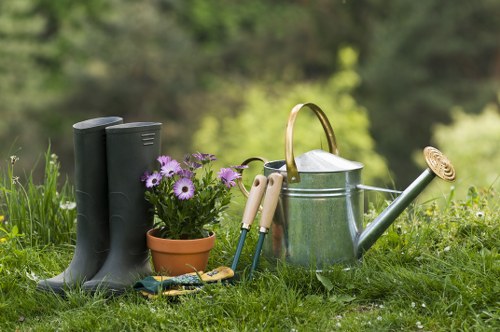
A lawn needs different care from borders, hedges and hard surfaces, so it is worth treating it as its own service area. Cutting height, frequency and edge finish all affect the appearance of the whole garden. Our lawn mowing services are designed for customers who want the grass cut tidily and consistently, with the surrounding areas left neat rather than overlooked.
We also provide related grass work for gardens that need a broader seasonal tidy or a more structured routine. On some sites the issue is not just length but uneven growth, rough edges or grass that has started to dominate paths and beds. In those cases, a mowing visit may be combined with edging or a wider cutback. The important point is that the lawn should suit the space, the use of the garden and the level of finish you want.
Useful lawn decisions often depend on the condition of the turf and the level of care it has already received. That can include how much shade the garden gets, whether the grass is thin or patchy, and whether you want a simple cut or a longer-term improvement plan. The steps below are often considered together:
- regular mowing to maintain a manageable height
- edging for a cleaner outline along paths and borders
- treatment or re-turfing where the lawn has become weak
- coordination with clearance or maintenance work around the grass
Hedge trimming and green waste removal
Hedges need careful trimming if they are to stay dense, manageable and in proportion with the rest of the garden. Cutting too little leaves the outline uneven; cutting too much can weaken growth and leave gaps that are slow to recover. Our hedge trimming page covers work for lines, boundaries and shaped growth that need attention at the right height and spread.
Once cutting is done, the result depends partly on how well the waste is cleared away. That is one reason many customers prefer hedge work to be planned together with garden clearance or waste removal rather than left as a separate task. Trimmings, leaves and branches can build up quickly, especially after more substantial cutting. The aim is to leave the site orderly, with the finishing standard matching the work carried out on the plants themselves.
In practical terms, hedge work often comes down to three decisions: how much of the growth needs reducing, whether the shape should be restored or simply maintained, and how the cuttings will be handled afterwards. Each of those affects the amount of time needed and the overall approach. Where a hedge forms a key boundary, neatness matters not only for appearance but also for access and light. That makes a clear brief especially useful when you ask for a quotation.
Garden clearance and removal of unwanted growth
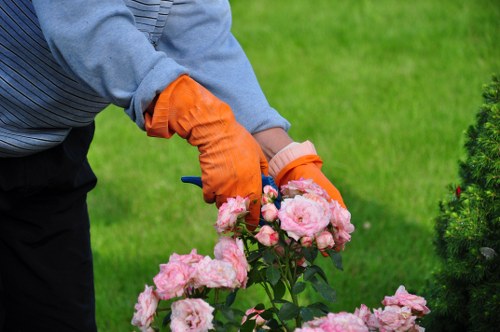
Clearance work is useful when a garden has become crowded with waste, overgrowth or unused material that is getting in the way of regular use. Our garden clearance service is aimed at those situations where a straightforward tidy is no longer enough and the space needs a more decisive reset. This may involve collecting loose material, cutting back excessive growth and making the area easier to maintain afterwards.
Clearance can sit alongside maintenance, but it is different in scale and purpose. A maintenance visit keeps a garden in order; clearance is about removing the accumulated material that prevents normal upkeep from being effective. That can be especially useful before new planting, turf work or landscaping. It can also help where paths, beds or access routes have been partly blocked by unmanaged growth and debris.
Customers often want the job divided into sensible sections so they understand what is being removed and what is being left in place. That is a reasonable request, particularly where the garden contains both living plants and material that should be taken away. A quotation can reflect that distinction more accurately than a broad description. If you are comparing options, it may help to state whether you need one-off clearance, a follow-up maintenance plan or both.
Fence installation, replacement and boundary work
Garden boundaries matter because they shape privacy, support planting and define how the rest of the space is used. We offer fence-related services for customers who need a new boundary, sections replaced or existing fencing improved. The relevant pages include fence installation and fence replacement, which are useful if the current structure is damaged, unstable or no longer suitable for the garden layout.
Fence work often needs to be considered alongside the wider condition of the outdoor space. For example, a boundary may need replacing before planting or landscaping can move ahead properly. In other cases, the goal is simply to restore a clear, durable edge where panels, posts or related components have worn out over time. Good planning helps because it keeps the work focused on the parts that matter most, rather than overcomplicating the job.
Where fencing is involved, clear measurements, access and the condition of the surrounding ground are all relevant. A tidy boundary can make maintenance easier and improve the sense of structure in the garden, but the exact solution depends on the existing layout. If you know that fencing is only one part of a bigger job, it is sensible to mention the other elements when you ask for a price so the scope is covered properly.
About North London

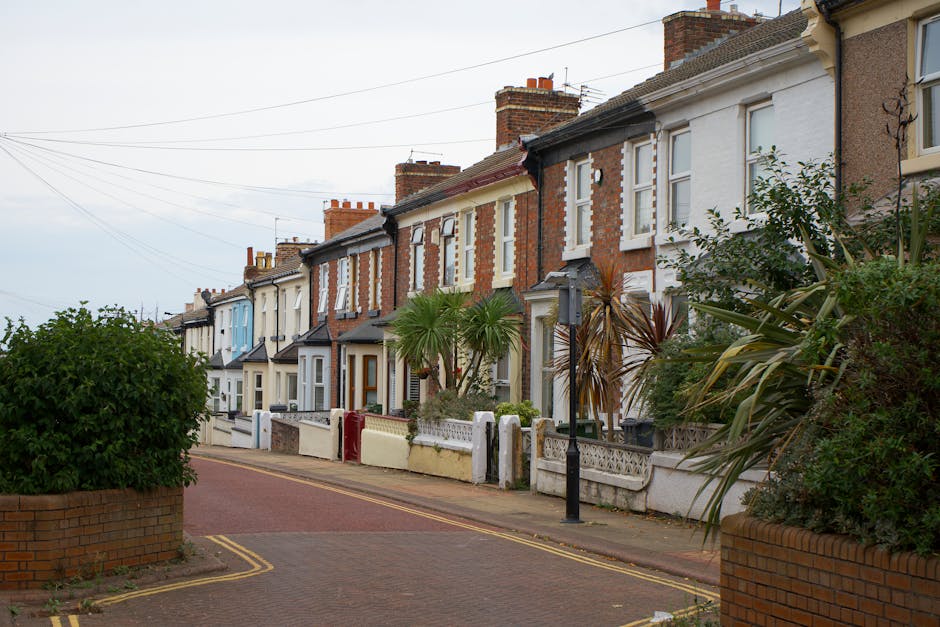
North London is not a single formally bounded district so much as a broad northern part of the capital, made up of many long-established neighbourhoods, town centres and residential streets. Its character changes from place to place, from the leafy, village-like feel of parts of Hampstead and Highgate to the denser urban fabric around Camden, Islington and Finsbury Park. A great deal of the area grew rapidly during the nineteenth century as railways and omnibus routes made suburban development more practical, and that growth left a varied legacy of terraces, mansion blocks, inter-war housing and later infill. The mix of architecture is one of the area’s defining features, with Georgian squares, Victorian villas, Edwardian avenues and post-war estates sitting within a relatively compact part of the city. Parks are important too: Hampstead Heath, Highgate Wood, Finsbury Park and a series of smaller commons and gardens provide open space across the north of the city. The Regent’s Canal also threads through northern districts, linking industrial history with present-day leisure and waterside walking. Cultural life is equally varied, ranging from busy high streets and transport interchanges to theatres, markets, museums and independent venues. Places such as Alexandra Palace, with its hilltop setting and long public history, add to the sense that the north of London is both highly urban and deeply shaped by local character. The result is a part of the capital where different neighbourhood identities sit close together, each with its own streetscape, landmarks and everyday rhythm.
Landscaping, planting and reshaping outdoor space
Some gardens need more than upkeep or isolated repairs. Landscaping work is suitable when the layout itself needs attention, whether that means reshaping levels, improving surfaces, refreshing planting or bringing different areas into better proportion. Our landscaping page covers broader outdoor changes for customers who want a more considered update to the garden rather than just a routine trim.
Good landscaping is rarely about doing everything at once; it is about choosing the right sequence. A site may first need clearance, then boundary work, then lawn or planting improvements. In other gardens, the main issue is circulation: how people move from one part of the space to another, and which features should be kept visible or made easier to reach. A clear plan helps avoid wasted effort and keeps the finish coherent.
Design choices should match the realities of the garden as well as the look the customer wants. That includes drainage, sunlight, access and maintenance expectations. Some spaces benefit from simple, robust changes that are easy to keep up; others can support more layered planting or structural features. If your project involves several linked tasks, ask for a quotation that reflects the whole sequence rather than only one stage, so the work can be scheduled sensibly.
Patio, deck and hard surface cleaning

Outdoor hard surfaces can lose their appearance through algae, dirt, weathering and general use. We provide cleaning services that help restore a tidier finish to patios, decking and related surfaces without treating them as an afterthought. The relevant pages include patio cleaning and decking cleaning, both of which can be useful when the garden has good structure but the surfaces need attention.
Cleaning methods should suit the material, because timber, paving and composite surfaces do not all react the same way. A careful approach matters where the goal is to improve appearance without unnecessary wear. In some cases, cleaning is best carried out before other garden work, so that the finished space feels cohesive rather than partly refreshed. It can also reveal whether a surface needs a separate repair or treatment alongside cleaning.
When customers request hard surface work, it helps to think about the finish they want as well as the area size. Some want a light refresh; others need a more substantial clean after a period of heavy use or seasonal build-up. If you are unsure which treatment is most suitable, the simplest route is to outline the material and the visible problem when requesting a quotation. That gives a better basis for advice and pricing.
Stump grinding and tree-related removal work
Tree and stump tasks are often distinct from general gardening because they involve more specialised equipment and more careful handling of the remaining site. Our pages for stump grinding and tree lopping and removal are relevant where cutting back, removing old growth or dealing with an awkward stump is part of the job. These services are useful when a tree has been reduced, removed or has become a barrier to other garden plans.
After a tree is removed or a stump is ground down, the surrounding ground may need to be left ready for further work. That can mean soil preparation, clearing debris or making the area fit for new planting or surfacing. Tree-related work is often best planned in relation to what comes next, because the remaining space may need a different finish from the rest of the garden. The point is not just removal, but sensible preparation for what follows.
Customers should consider the practical limits of the area before asking for this type of work. Access, nearby planting and the condition of surrounding features all influence how the job is carried out. A clear description of the tree, stump or obstacle is useful when requesting a quotation, especially if the work forms part of a larger garden improvement rather than a one-off task.
Quotations, access and practical planning
Before arranging garden work, it helps to set out the main priorities and any features that affect access or timing. A short description of the site, a few notes about the current condition and the most urgent tasks will usually make the first conversation more useful. If there are multiple elements, such as mowing, clearance and fencing, it is worth listing them together so the quote reflects the full scope rather than a fragment of it.
It is also sensible to think about how the work should be staged. A garden that needs structural changes may benefit from a sequence: removal of unwanted growth, then repair or installation, then finishing and maintenance. That approach can make the whole process more orderly and easier to compare. If you want to request a quotation, use the relevant service page and describe the result you are trying to achieve, not just the visible problem.
Contact us to request a quotation if you would like to discuss your garden and the most suitable service. A short enquiry is usually enough to begin, especially when it mentions the main task, the size of the area and anything that needs to be left in place. From there, the right service can be matched to the job more accurately and without unnecessary back and forth.